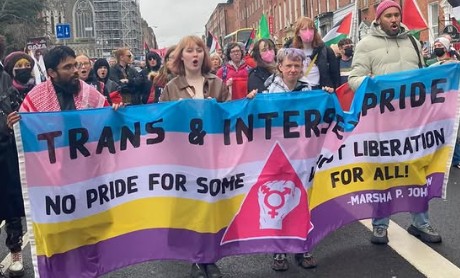
Ireland is marking ten years since the introduction of its Gender Recognition Act, a law that allows transgender people to legally change their gender through self-declaration. Introduced in 2015, the legislation is widely regarded as one of the most progressive gender recognition laws in the world.
The law allows people aged 18 and over to update their legal gender without the need for medical assessments, surgery, or court approval. Since it came into effect, nearly 2,000 people have received gender recognition certificates, according to government figures.
Transgender advocates say the impact of the law has been significant. For many, it has made everyday life easier by ensuring that official documents such as passports, birth certificates, and employment records reflect their gender identity. Supporters also say the law has helped reduce stigma by recognising transgender people’s identities in law.
Before 2015, transgender people in Ireland had no legal way to change their gender. Campaigners fought for years to bring the issue before the courts and lawmakers, arguing that the lack of recognition violated basic human rights. Ireland’s legislation followed a 2014 ruling by the European Court of Human Rights, which found that the state had failed to provide legal recognition for transgender citizens.
While the law has been praised internationally, some gaps remain. Campaigners continue to call for reforms to allow legal gender recognition for people under 18 and for non-binary recognition to be included in the legislation.
Despite these ongoing debates, many see the anniversary as a moment of progress. Activists say the law has allowed thousands of people to live more openly and with greater dignity.
As Ireland reflects on a decade of gender recognition, supporters say the law stands as an example of how legal reform can improve the lives of transgender people while gaining broad public acceptance.

Be the first to comment